
Marketing | DontSleepGFX
Printful for Merch: Custom T-Shirts for Artists
Print-on-demand merch works best when it removes risk without removing taste. Printful gives artists a way to launch shirts without stocking inventory, but the product still has to feel like something a fan would actually want to buy rather than support out of pity once.
Why this matters
Merch can become one of the easiest ways for an artist to turn attention into direct revenue, but weak designs and random product choices usually kill that upside.
A smarter Printful setup lowers the inventory risk while still giving the artist a chance to build better release-linked products that feel worth wearing.
Quick Answer
Printful helps artists launch custom T-shirts without buying inventory first, which makes it useful for smaller drops, test runs, and early merch experiments. The stronger results usually come from better design decisions and tighter product focus, not from uploading more items.
The best first move is usually one or two good shirts tied to a release moment, not a bloated catalog that looks unfinished from day one.
Why Printful appeals to smaller artist teams
Printful’s current custom T-shirt pages position it as a print-on-demand option for designing, buying, and selling custom apparel without the artist handling inventory the traditional way. That makes it useful for people who want to test demand before sinking money into a larger merch run.
For independent artists, that reduced upfront pressure matters. It gives room to try a stronger concept without immediately turning the merch idea into a storage, shipping, and cash-flow problem.
A better first shirt beats a bigger first store
The trap is thinking a merch launch needs variety more than conviction. In practice, one sharp shirt often does more for a release than six weak products uploaded just to fill space.
If the artist already has a visual angle that fans respond to, the job is to translate that into a wearable design that looks deliberate on its own terms. If the artwork is not strong enough yet, the shirt will usually expose that problem quickly.
What makes a merch design feel wearable
The strongest shirt graphics usually do one thing well. They present a phrase, image, or emblem that still works away from the streaming context. Fans should not need to explain the joke to justify the purchase.
That means thinking about scale, contrast, shirt color, and whether the graphic feels like a real garment decision instead of a square cover art pasted onto cotton without adjustment.
- Choose one graphic idea with clear hierarchy.
- Avoid clutter that disappears or feels messy at chest size.
- Test the design on likely shirt colors before publishing.
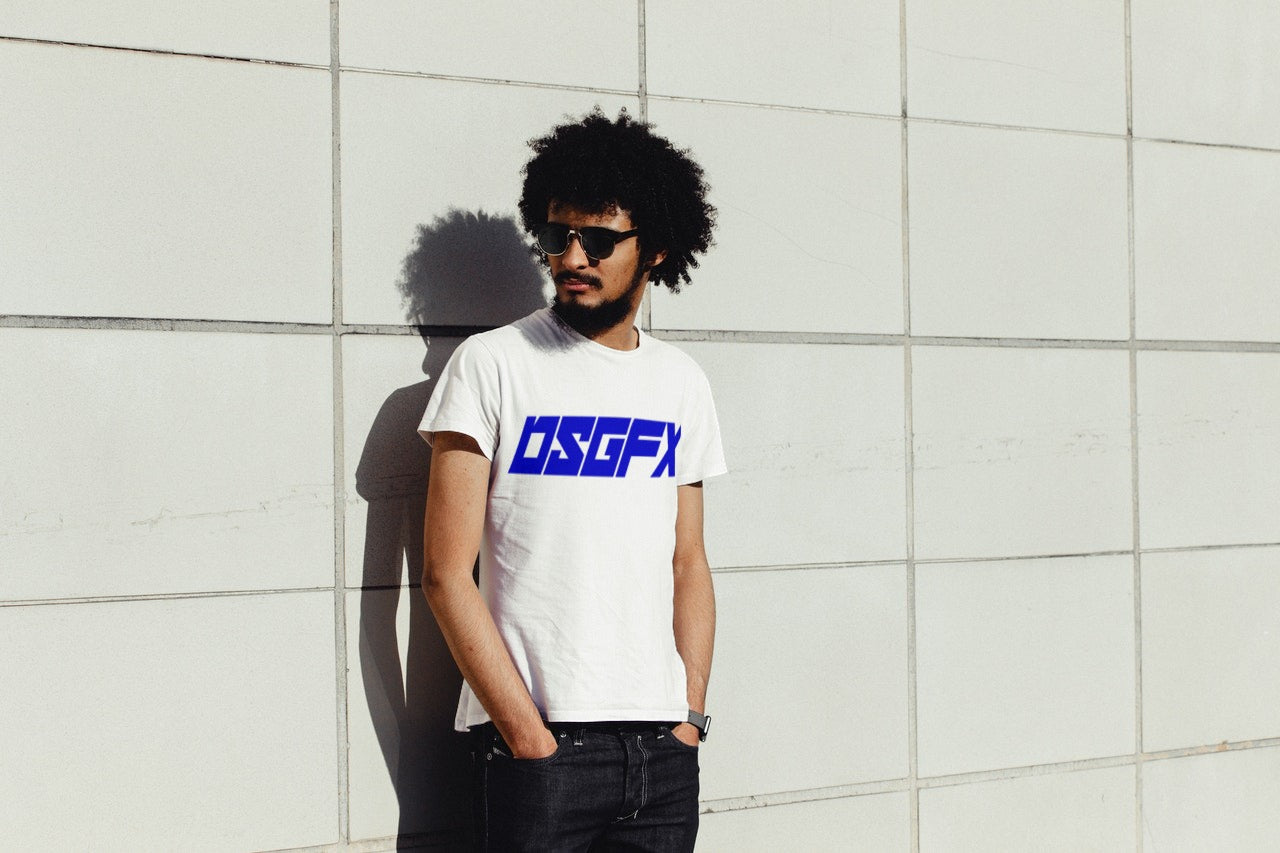
- Make sure the product photo still looks good to someone who has never heard the song.
Why product presentation still decides trust
A low-risk fulfillment model does not fix a weak storefront. The product page still needs clean visuals, readable mockups, and a reason for the shirt to exist in this release cycle. If those pieces are lazy, the merch line feels flimsy even if the backend is simple.
That is why artists should spend more effort on the design and rollout story than on adding more products too early. A focused release always looks stronger than a scattered one.
How to tie the shirt into the release
Merch sells better when it arrives with context. A shirt linked to a single, campaign line, release visual, or performance moment has a much easier time feeling memorable than one dropped into the store with no supporting story.
The better question is not “what merch can I upload?” It is “what shirt makes this release feel bigger?” That approach leads to stronger timing and cleaner product choices.
What to tighten before going live
Before publishing the product, check whether the graphic still looks strong on the mockup, whether the wording feels too insider to wear in public, and whether the visual style lines up with the rest of the artist brand. If the cover art and merch look like they belong to different artists, the store will feel less trustworthy.
That is where cleaner release visuals can help the whole merch effort. Stronger art makes stronger product direction easier because the brand already has a more coherent visual language to borrow from. Shopify’s merchandising guide is aimed at commerce more broadly, but the core point still applies here: presentation changes how the product is perceived before anyone buys.
Need stronger visuals before you turn the art into merch?
If the shirt concept is there but the release visuals still need polish, Covermatic can help tighten the artwork and make the merch line feel more intentional from the start.
Leave a comment: